Spent grain
2023–2025
New York, NY
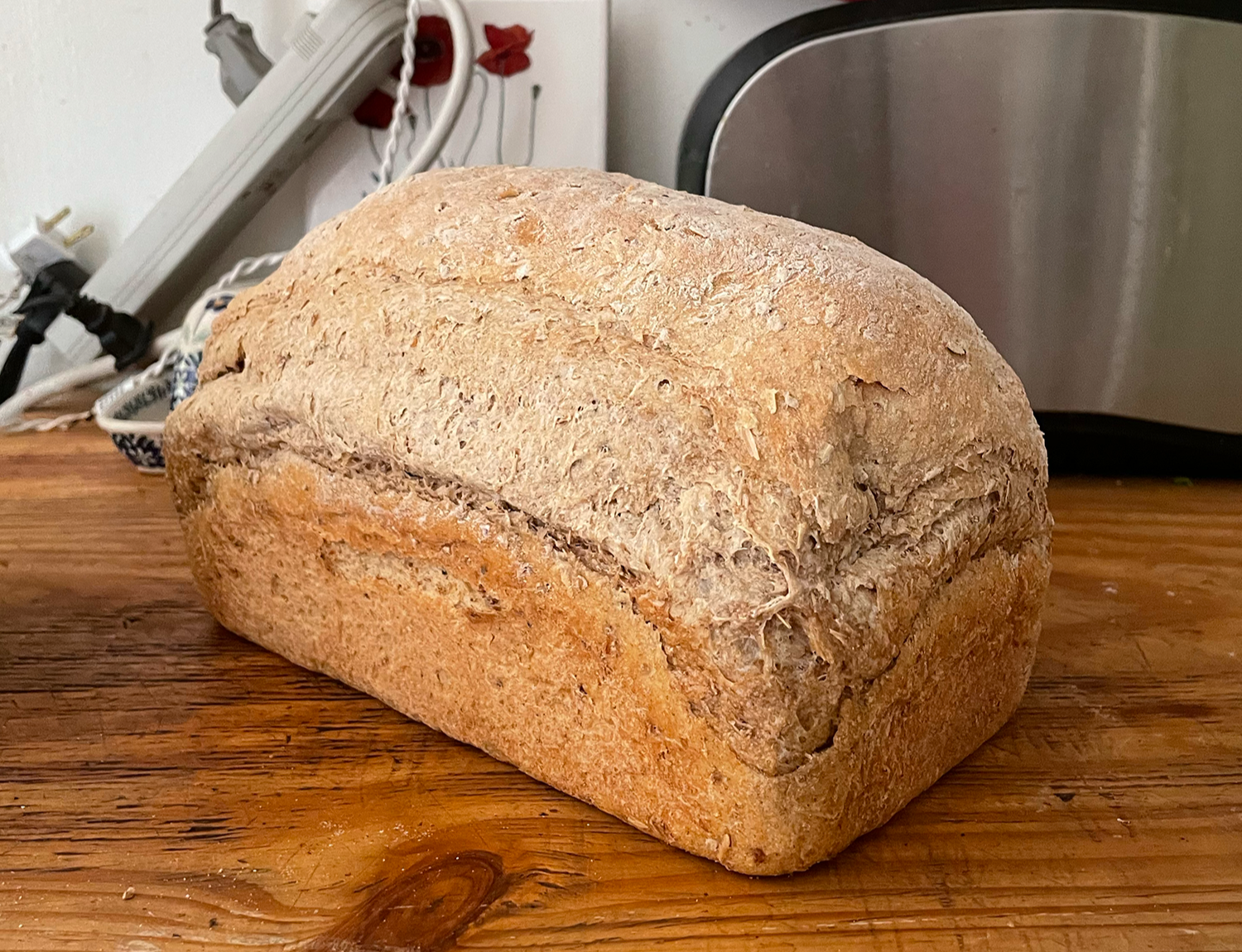
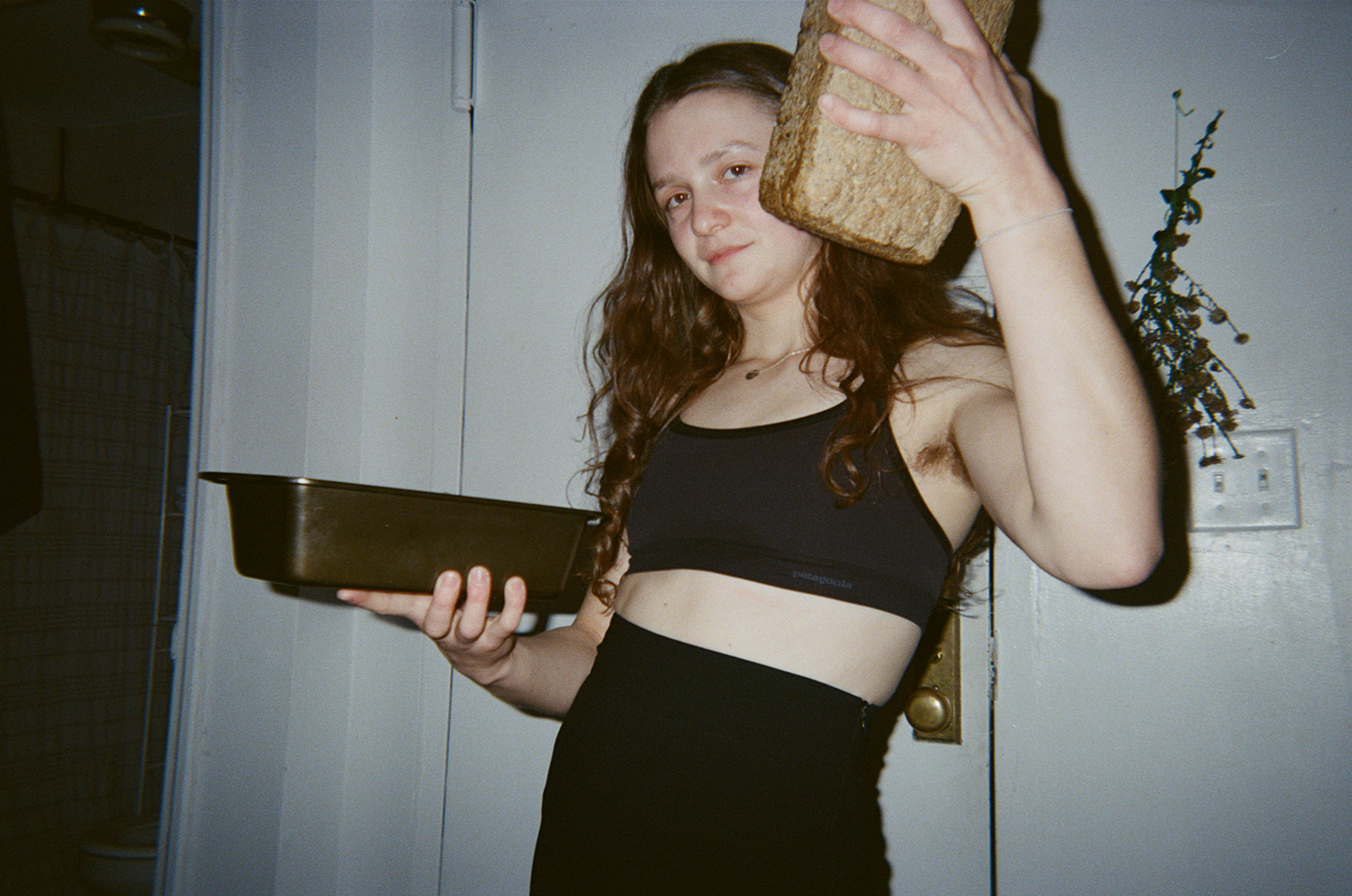
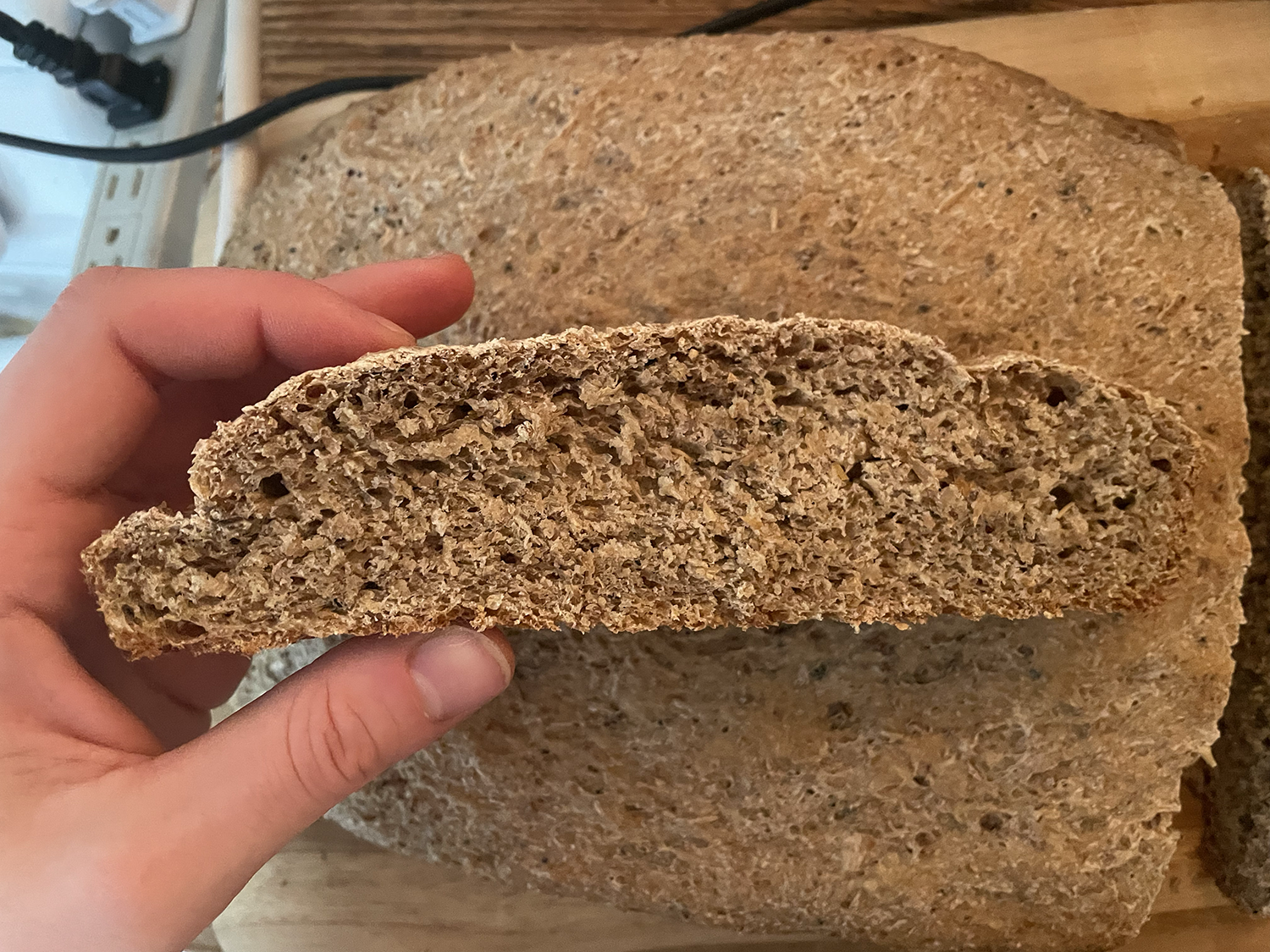
In beer making, the largest by-product is grain. This grain has been ‘spent’; its purpose has been served. Like any residual, this spent grain is often perceived to be waste (in the best of waste-treatment cases, compost). That is, except for that small percentage that this (occasionally OVERLY-) adventurous breadmaker took home to make a dense, grainy bread.
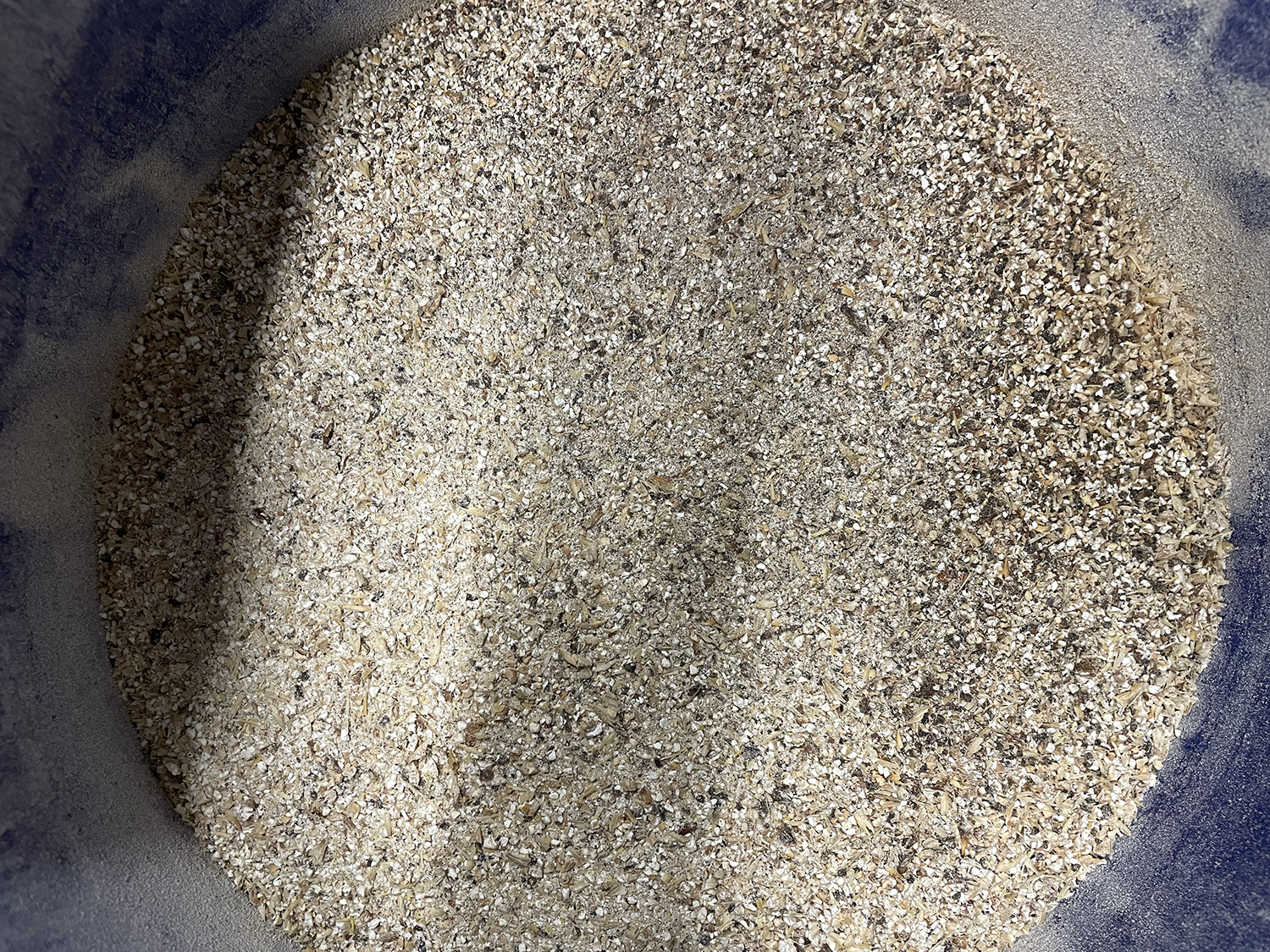
The first step in a recipe for beer is to grind the required grains for the brew. We tend to use barley and wheat, varying how toasted or burnt the grains are depending on the beer (darker beers will start with a darker grain). Once ground, this is mixed into the big mash tun, where boiling water will deplete it of its sugars, an extraction we call ‘mashing’. These sugars will be eaten by the yeast, this beautiful fungus whose pitching designates the brewer of this beer, and whose labor produces a liquid we know and love.
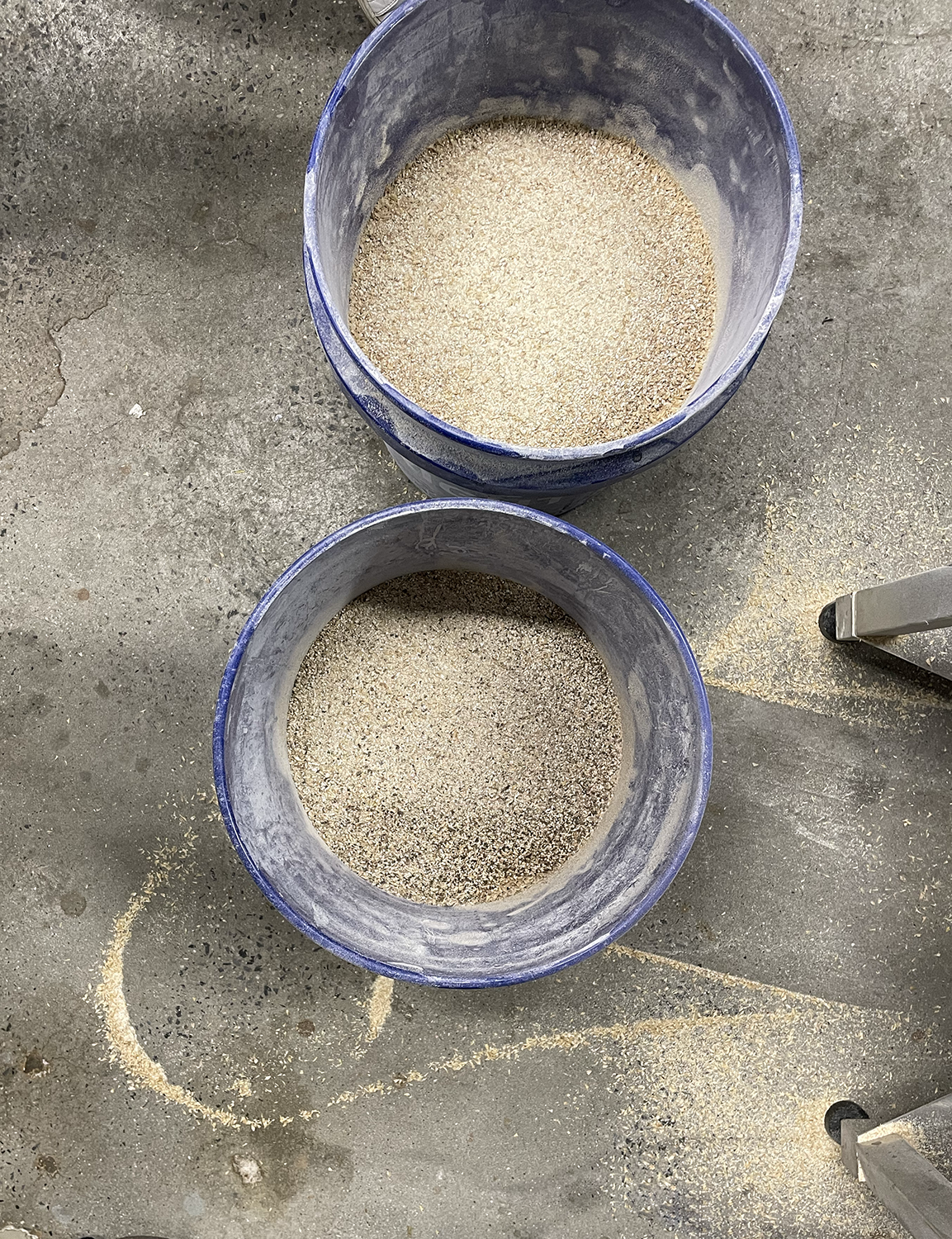

Once boiled, these grains leave behind a sweet warm liquid. The removal of these wet, hot grains is a heavy, laborious task in the case of medium scale homebrewing operations. And all this weight? The grains from here on out are an off-product, a residue of the process. In an attempt to reduce this ‘waste’, these poor grains once again will be spent. While their sugary liquid is processed by a brewing yeast, the grain, mixed with some water, a bit of flour, a bit of sugar or honey, and some water will likewise be fed to yeast. The former will become a flavorful, bubbly liquid, while the latter a flavorful, bubbly solid.
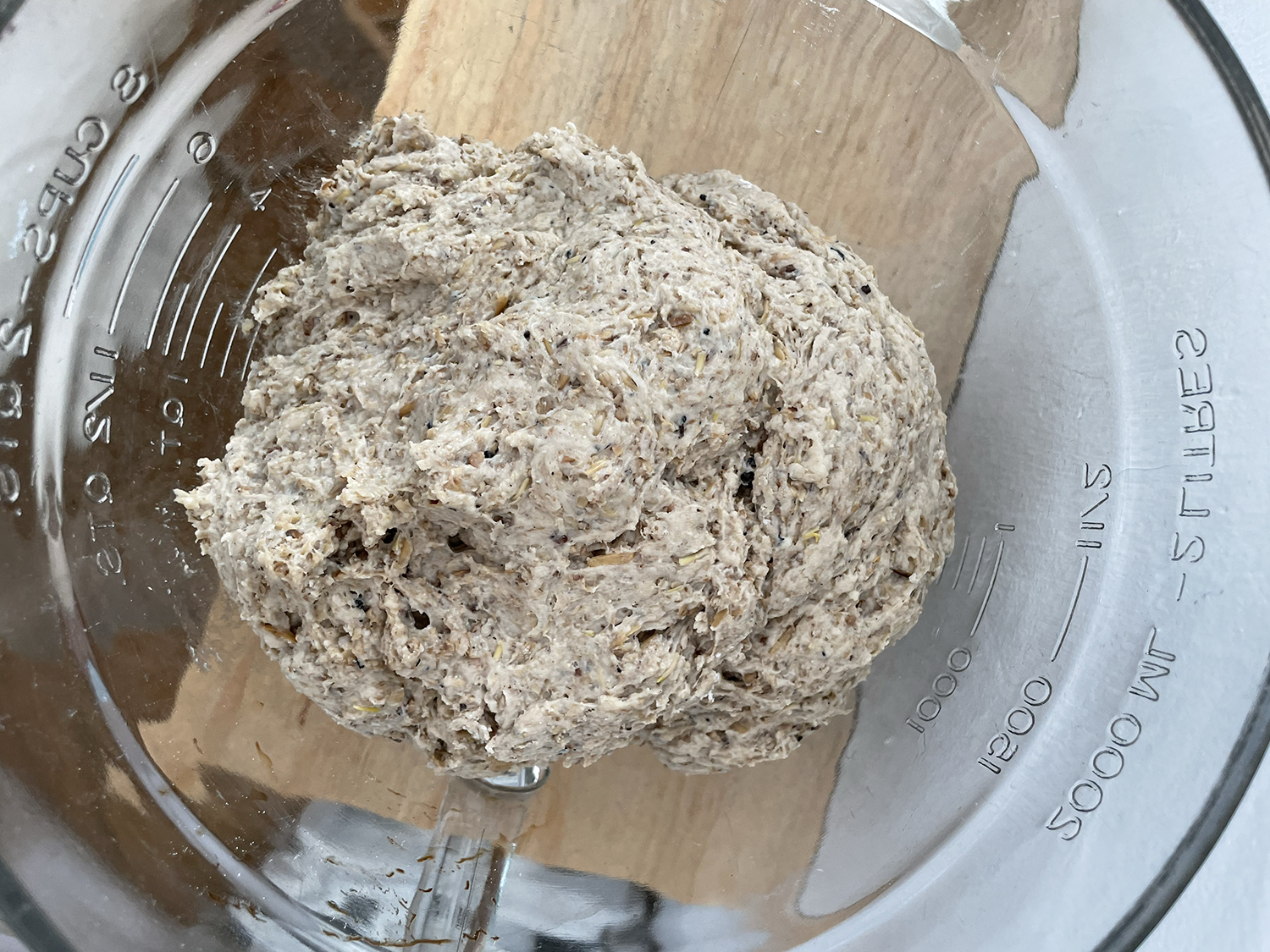
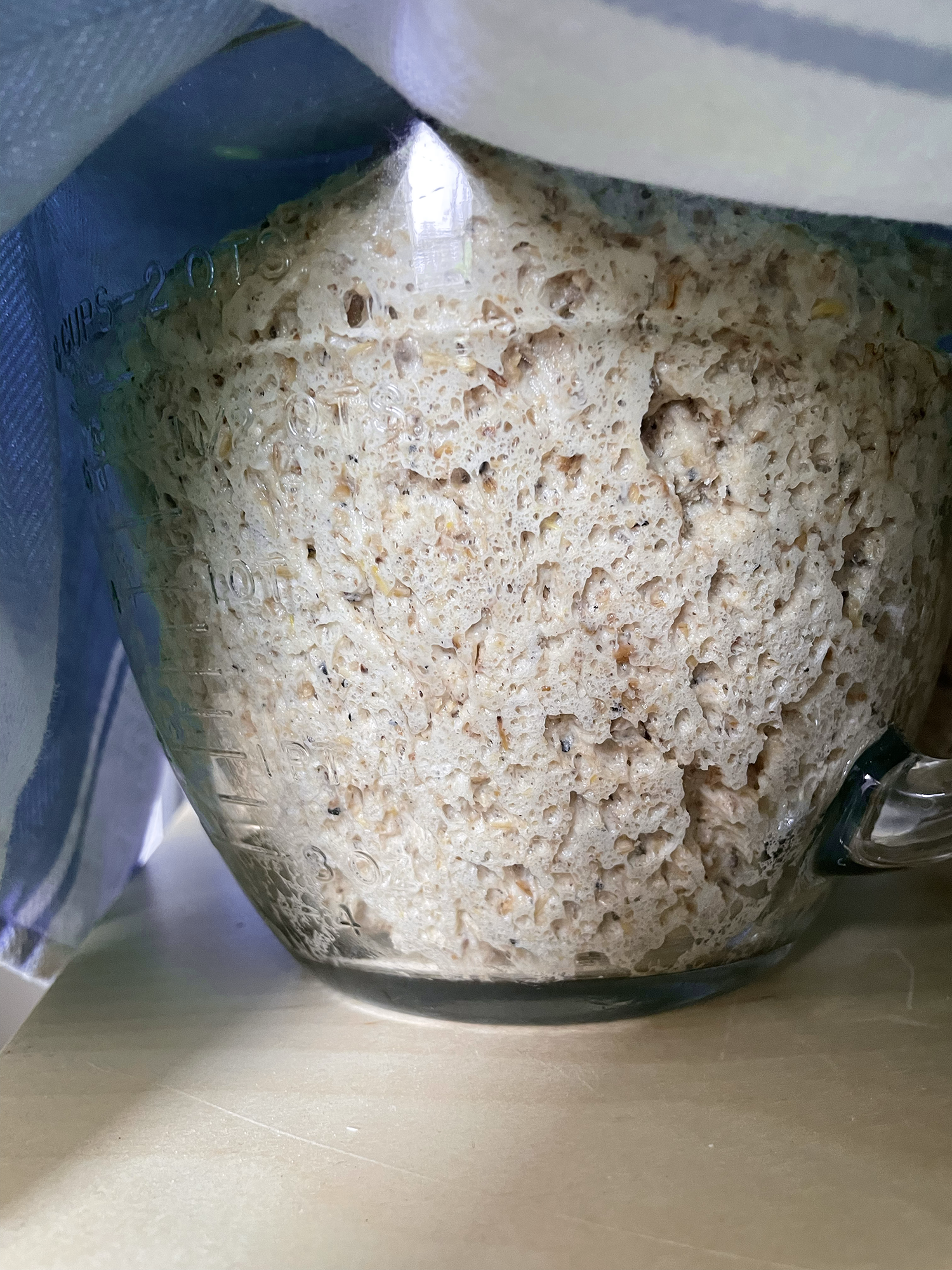
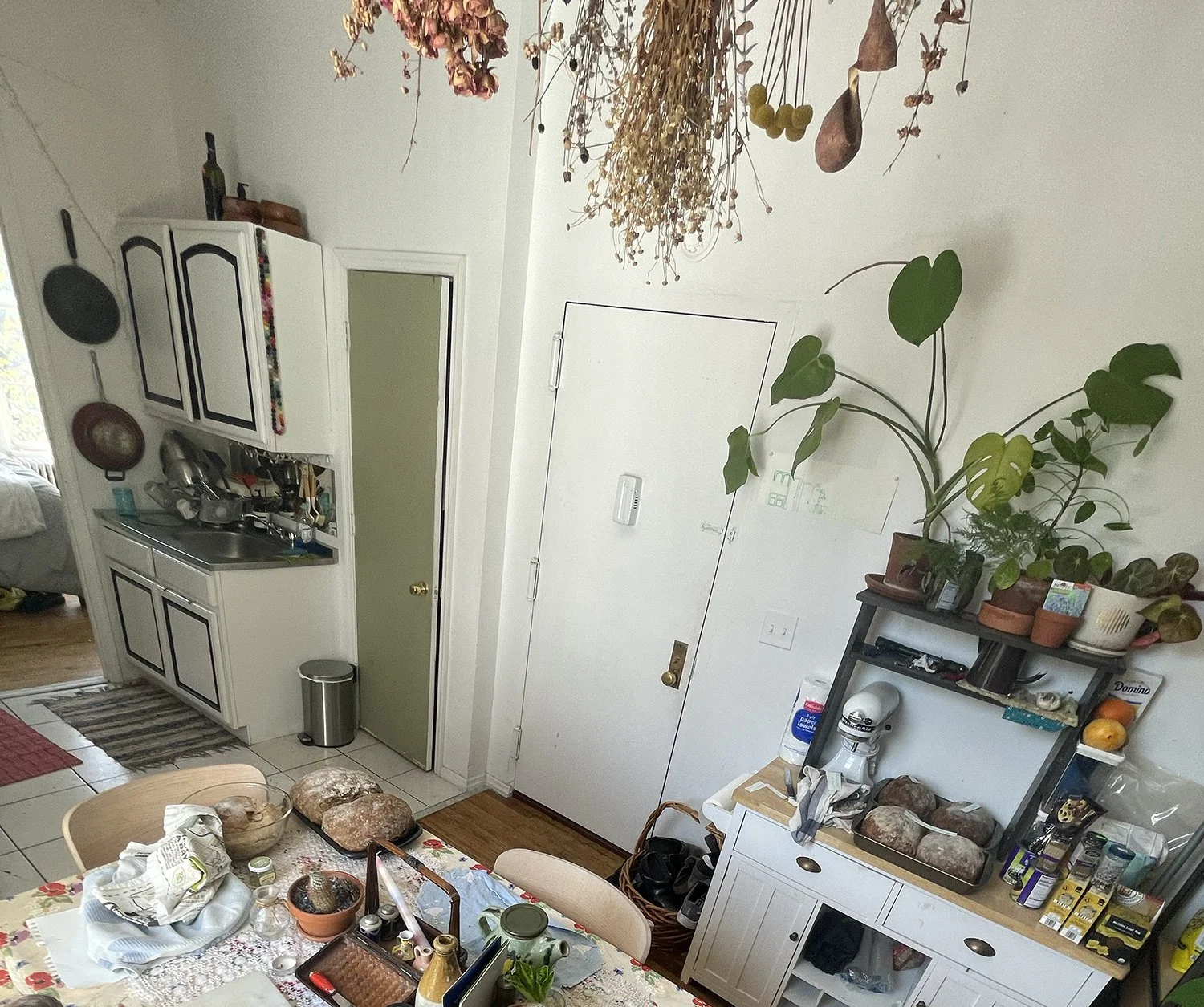
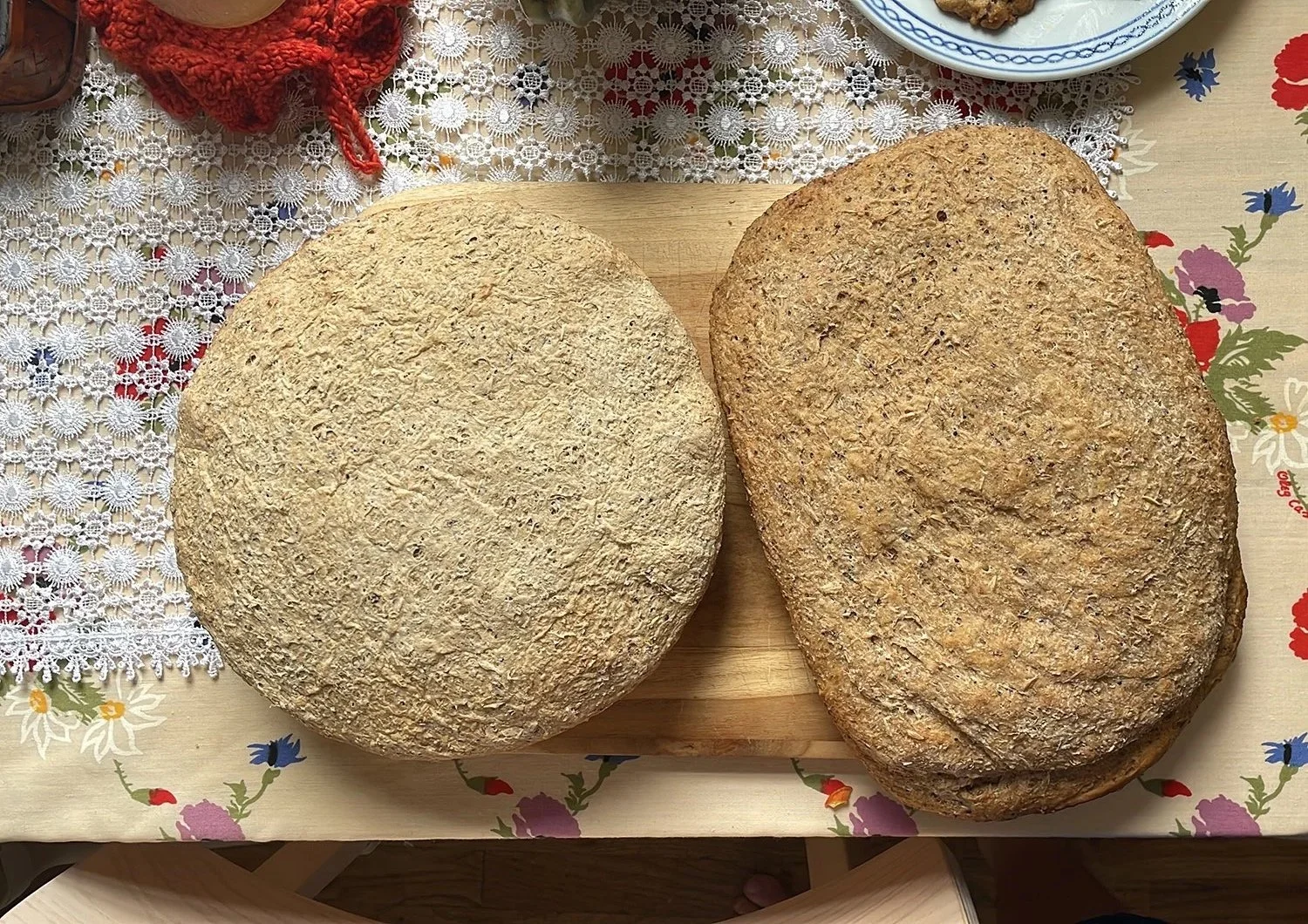
Each bread, like each beer, takes on a different characteristic thanks to the types of grain used. A stout and its corresponding bread are dark and sweet, while a hefeweizen results in a lighter beer, and a lighter toned bread. A fun game was to test out herbs, chocolate, and other additives to these recipes. And for the final, show-stopping piece, a bread for each brew to accompany each beer at our final tasting party (production area as shown above).
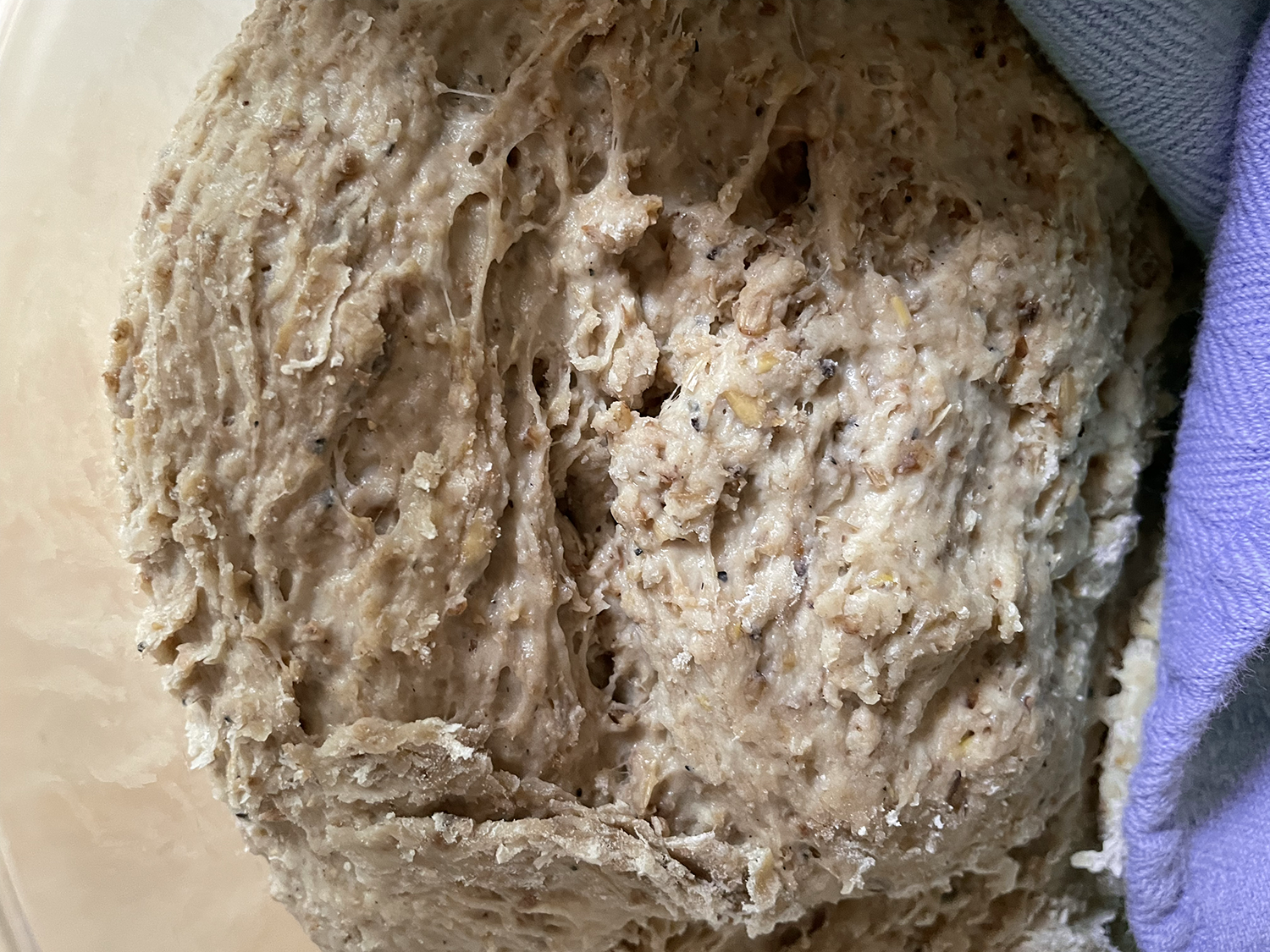
1 cup warm water
4 Tbsp sugar
2 cups spent grain
1 pkg dry bakers yeast
1 Tbsp salt
2 Tbsp vegetable oil
3 to 3 1/2 cups bread flour
These linked processes and recipes serve the purpose of feeding our human digestive systems. At the same time, they each contain their own digestive processes; wheat and barley grow from nutrients and light; yeast feeds on sugars and leaves behind gases which result in the final products we humans INJEST.
To be involved in these productions is to resist a world order hell-bent on individualizing us not just from our fellow humans, but also the microorganisms in our mix that aid in regenerative processes. And to resist from within community oriented spaces of care is to recenter marginalized spaces, organisms, and practices. I strive to be a participant in the earth, and am on the continual hunt for the practices that allow me to act as such in my most genuine, caring ways.
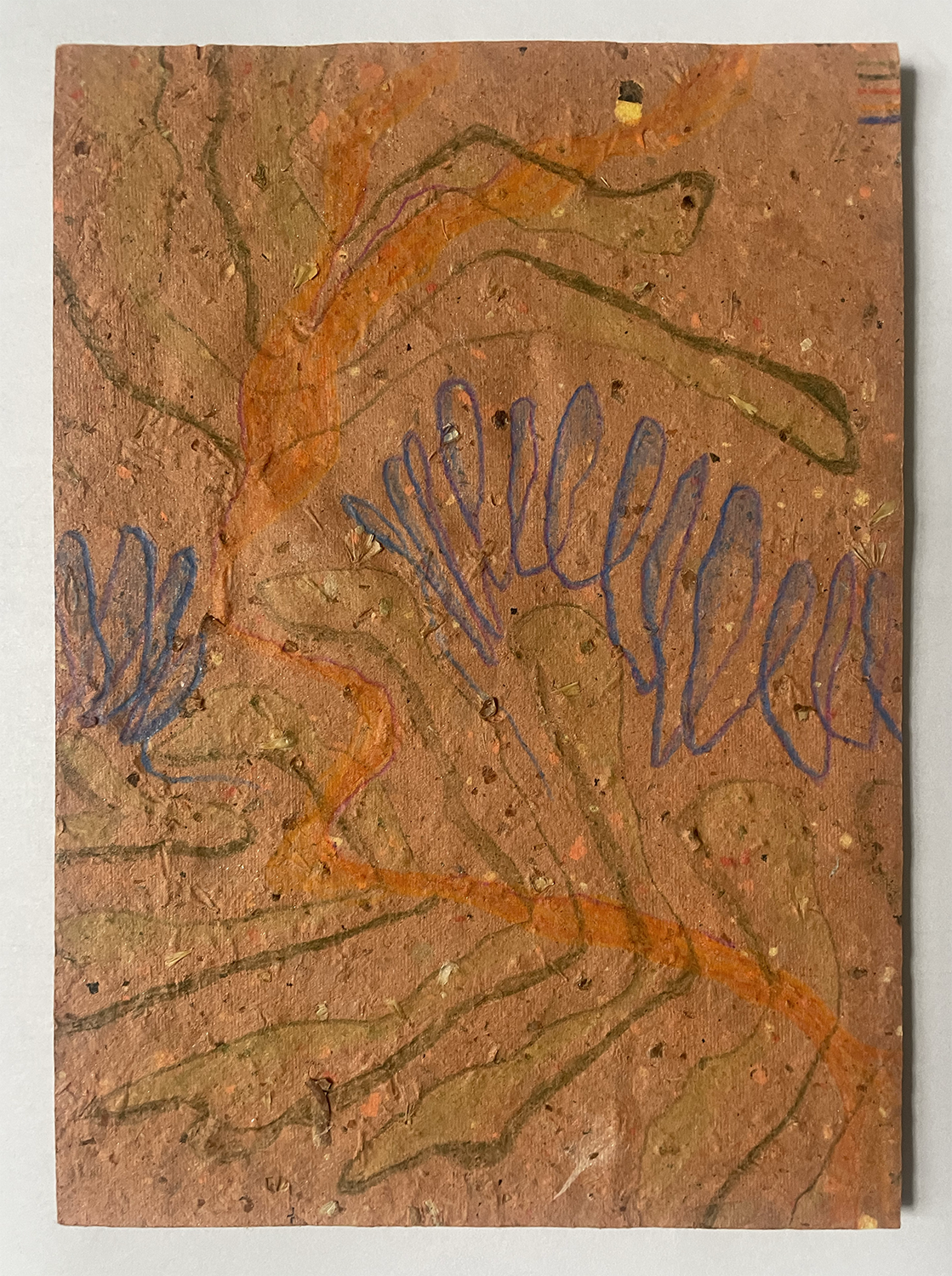
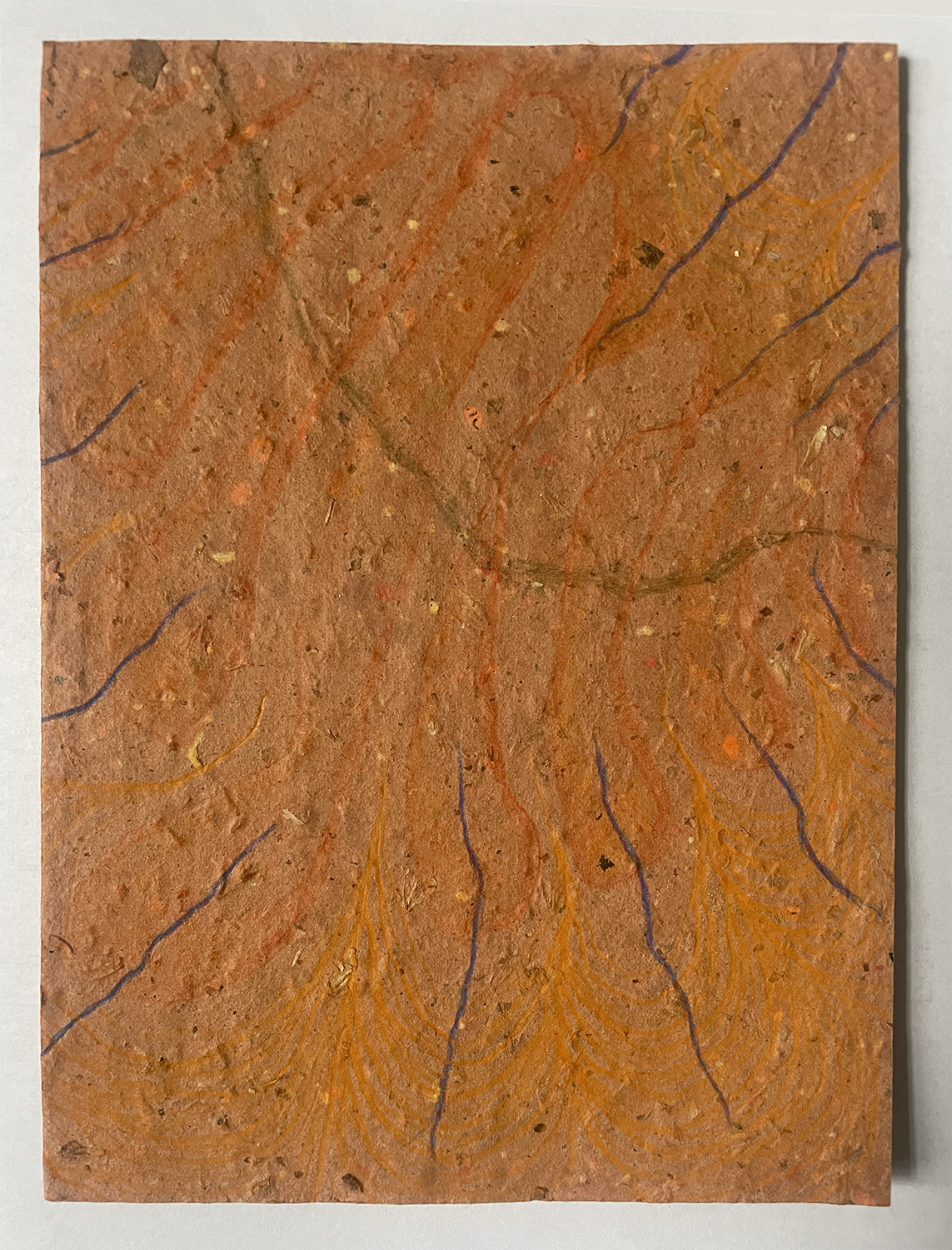
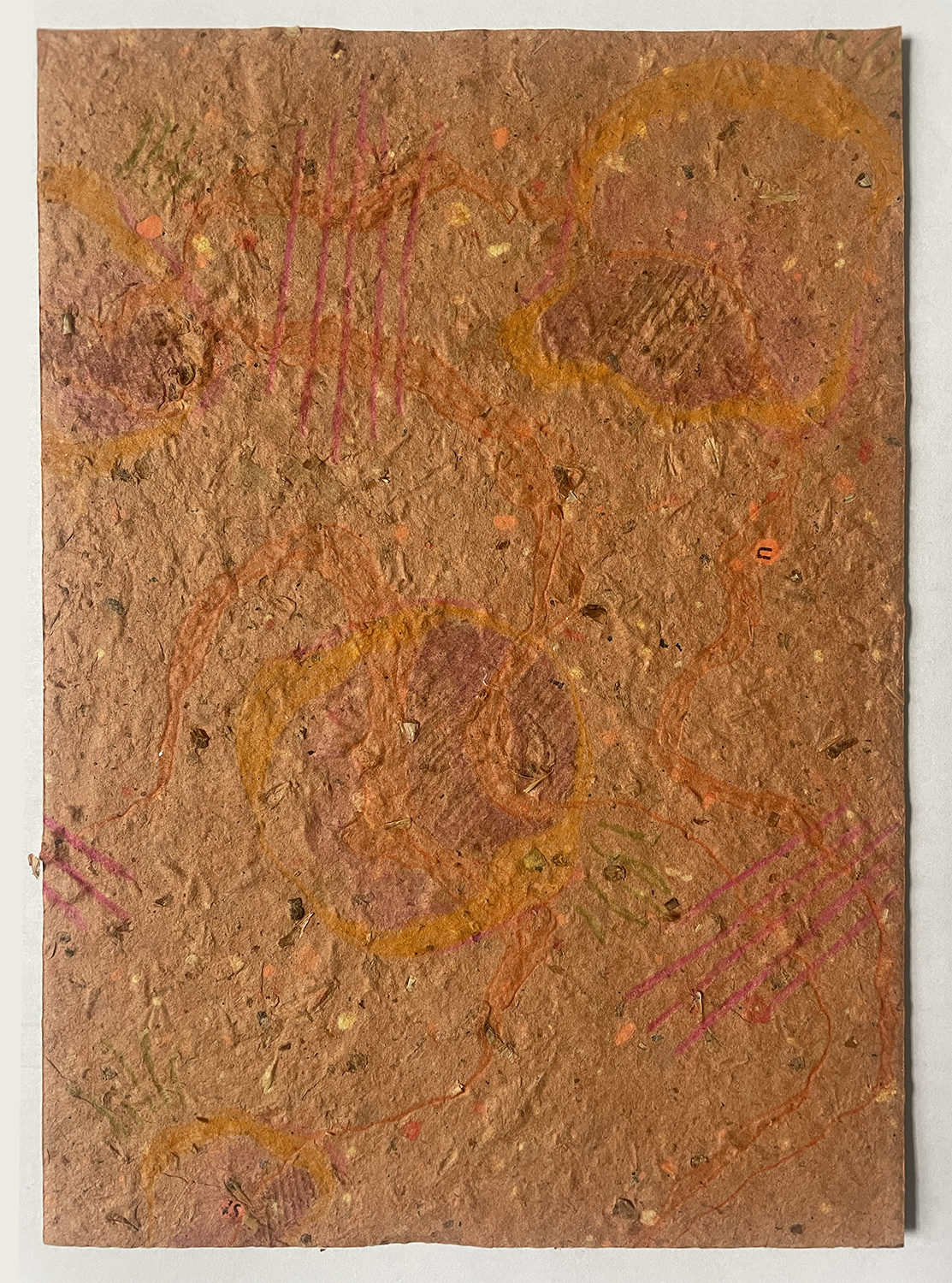
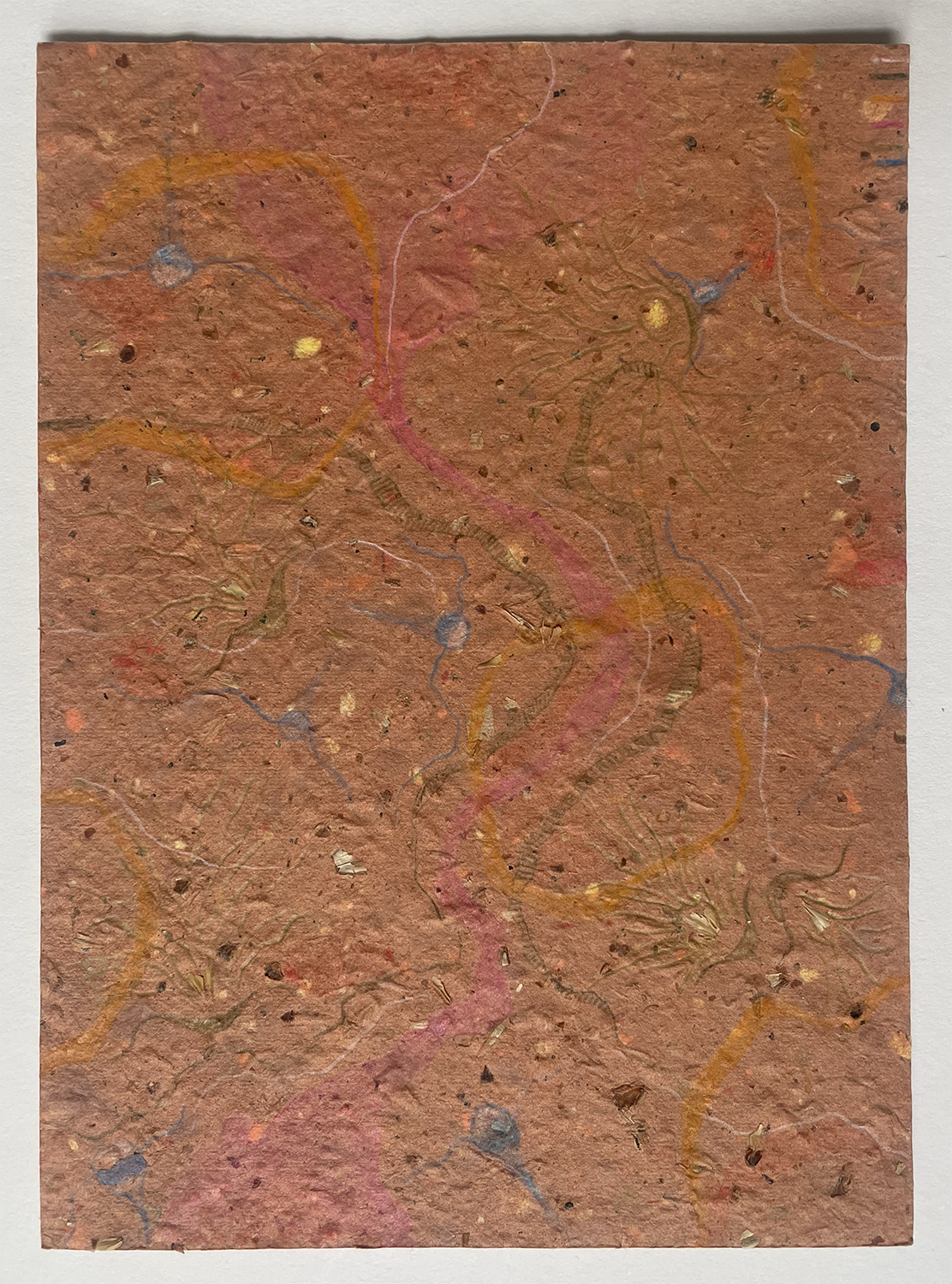
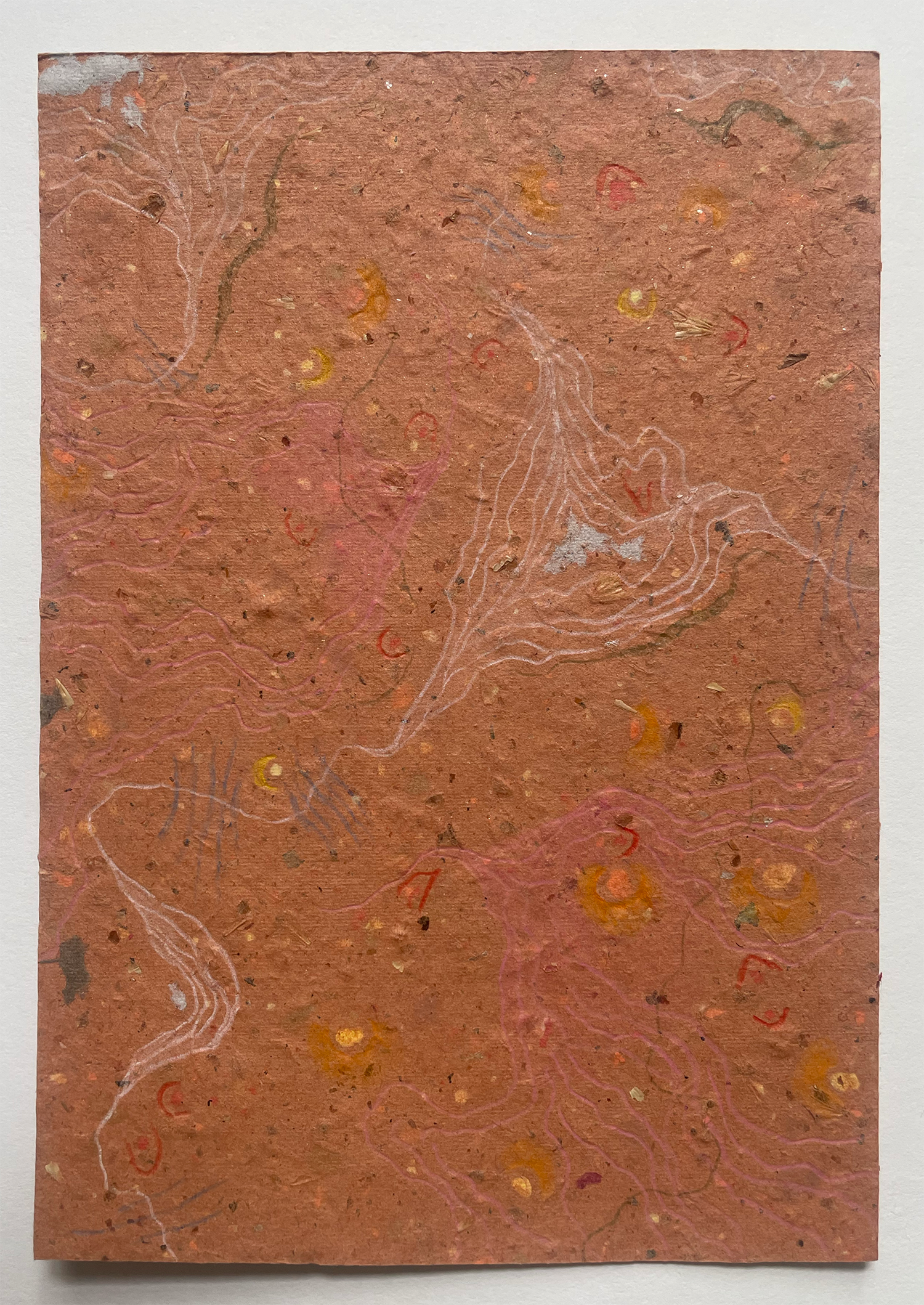
While elbows deep in this project of beer and bread, I came across spent grain paper made by the wonderful makers at Papercraft Miracles, based in Buffalo, NY. I thoroughly enjoyed intervening these papers with colored pencil, and especially getting to interact with as grainy a paper as the breads I made. And my enthusiasm for handmade paper lives on.